Quick Answer: Prison Island (Changuu Island) is a small island about 5.6 km northwest of Stone Town, reached by a 20–30 minute boat ride. It is best known for its sanctuary of giant Aldabra tortoises, some over 100 years old, and for 1890s prison buildings that never held a prisoner and became a yellow-fever quarantine station. A visit takes about 3–4 hours.
Prison Island sounds like a grim place to spend a holiday morning. Then you step off the boat and the first thing you see is a tortoise the size of a coffee table walking slowly towards you because it hopes you’re holding spinach. If you’re wondering whether Prison Island in Zanzibar is worth a half day, this guide explains what the visit is really like.
I’m Rama, and I’ve been taking guests across to Changuu since 2016. I’ve watched children meet their first giant tortoise and seen history lovers stand quietly in the old cells. I’ve also learned which hours are crowded, which shoes are a mistake and what people wish they’d known before the boat left the beach.
Below you’ll find how the island got its name, what happens hour by hour, how to behave with the tortoises, what a tour costs, the best time to go, and how to combine Prison Island with Stone Town or a sandbank so the day feels complete.
What Is Prison Island in Zanzibar?
Prison Island is the popular name for Changuu Island, a narrow coral island off the west coast of Unguja, opposite Stone Town. It is home to a protected colony of giant Aldabra tortoises, a set of late-19th-century prison buildings, a small beach and a reef. It’s one of the most visited half-day trips in Zanzibar because it is close, calm and suitable for every age.
The island is small: roughly 800 metres long and a couple of hundred metres wide. You can walk from the jetty to the tortoise sanctuary in a few minutes, and the whole visit runs at a slow, easy pace.
Why Does It Have So Many Names?
Changuu has been called Prison Island, Quarantine Island, Kibandiko and even Turtle Island. Each name records a chapter of its history. “Prison Island” stuck because of the buildings the British put up in the 1890s, even though the island’s real working life was as a quarantine station. Locals and boat captains still say “Changuu”, so it helps to know both names.
Where Exactly Is It?
Changuu lies about 5.6 km northwest of Stone Town, in sheltered water between the old town’s seafront and the open channel. From the Stone Town beachfront, the crossing takes 20–30 minutes. You can see the island from Forodhani Gardens on a clear day, and that closeness is why it pairs so naturally with a Stone Town walk.
Was Prison Island Ever Really a Prison?
No. The prison was built but never used as one. The buildings were completed in the mid-1890s, and the island became a quarantine station for travellers suspected of carrying yellow fever before they could continue their journey into East Africa.
The Slave-Trade Era
Before the British arrived, Changuu belonged to Arab traders. During the slave-trade era of the 1860s it was used to hold enslaved people, including those considered rebellious. It’s a short line in most guidebooks, but I always mention it. Prison Island’s story sits in the same history you see at the Old Slave Market in Stone Town, and the two places make more sense together.
The Prison That Never Was
In the 1890s, General Lloyd Mathews, the British first minister to the Sultan, bought the island and built a prison complex to relieve pressure on the jail in town. The buildings were finished around 1894, but no prisoner was ever sent there. Instead, the island’s isolation made it useful for something else.
Quarantine Island
East African ports feared yellow fever arriving by sea, so Changuu became a quarantine station serving the British territories in the region. Passengers were taken off ships and kept under observation for one to two weeks. The old prison was converted into a hospital, and in 1923 the island was officially renamed Quarantine Island. A larger set of quarantine buildings went up in the 1930s.
What You’ll See of That History Today
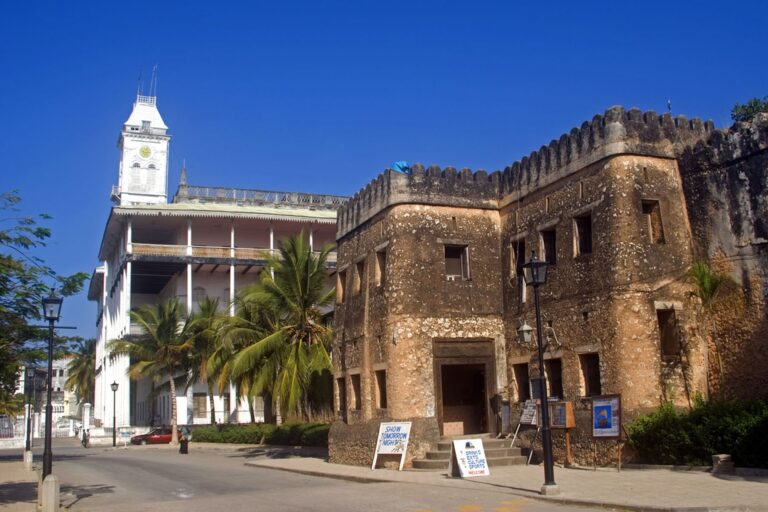
The original prison block still stands, built from coral stone with arched openings and small cells. Part of the colonial complex now houses a restaurant and café, and the government-owned island also has a small private resort. The ruins aren’t a museum with glass cases. They’re open, weathered buildings where a guide’s stories do most of the work, so this is where a local guide matters most on the visit.
What Are the Giant Tortoises on Prison Island?
The tortoises are Aldabra giant tortoises, one of the largest tortoise species on Earth. Their wild home is Aldabra Atoll in the Seychelles, which is a UNESCO World Heritage Site, and they aren’t native to Zanzibar. Adults can weigh well over 200 kg, and the species is classed as Vulnerable on the IUCN Red List, as summarised by PBS Nature.
How Did Tortoises From the Seychelles End Up in Zanzibar?
In 1919, the British governor of the Seychelles sent four Aldabra tortoises to Zanzibar as a gift. They were settled on Changuu, they bred well, and by the 1950s there were around 200 of them. Over the following decades many were stolen or smuggled away, and the colony shrank badly. That’s why the tortoises now live in a protected, fenced sanctuary rather than roaming the whole island. Tanzania’s own The Citizen has written about the sanctuary and its conservation role.
How Old Are They?
Many of the tortoises are over 100 years old, and some are said to be close to 200. Look for the numbers painted on their shells, which show each tortoise’s estimated age. Ages that high are hard to verify, because the oldest animals have outlived the people who first recorded them, so treat the biggest numbers as careful estimates. Even so, standing next to an animal that was alive before Stone Town had electricity is a strange and memorable feeling.
Can You Touch and Feed Them?
Yes. Inside the sanctuary you can walk among the tortoises, gently stroke their necks and shells, and feed them fresh leafy greens. Most of them come straight to you once they see food. The keepers will show you how to hold the leaves.
Tortoise Etiquette From the Ground
- Never sit or stand on a tortoise. It’s prohibited, and it harms them.
- Hold greens by the stalk end. Their beaks are built for tearing tough plants and can nip fingers hard.
- Don’t lift or turn a tortoise, including the young ones in the nursery area.
- Keep children at the side, not the front, when a big tortoise is feeding.
- Feed only what the keepers provide. Bread, fruit peel or snacks from your bag are bad for them.
- Move slowly and give them space. They’re calm, but they’re wild animals, not props.
What Happens on a Prison Island Tour?
A Prison Island tour is a relaxed half day of about 3–4 hours: a short boat crossing, time in the tortoise sanctuary, a guided walk through the ruins, then swimming or beach time before the return boat. Here is how a typical morning runs with us.
Pickup and the Stone Town Beachfront
If you’re staying outside Stone Town, the day starts with a hotel pickup. Your guide meets you on the Stone Town beachfront, where the boats wait just off the sand. Expect to wade a few steps to board at some tides, so wear something that can get wet below the knee.
The Boat Crossing
The crossing takes 20–30 minutes across sheltered water. It’s one of the calmest boat rides on the island, which makes it a good first trip for nervous swimmers and small children. Look back at Stone Town as you leave: the seafront, the minarets and the Old Fort look completely different from the water.
The Tortoise Sanctuary
This is the part everyone remembers. Plan on 30–45 minutes with the tortoises. Your guide will explain where they came from and point out the oldest residents, and there will be plenty of time for feeding and photos. Peacocks roam the island too, and they often wander into the sanctuary.
The Ruins Walk
A short walk takes you to the old prison and quarantine buildings. This is where your guide tells the island’s story, from the slave-trade era through the prison that was never used to the quarantine years. The walk is flat and shaded in places, and it takes about 20–30 minutes.
Beach Time and Swimming
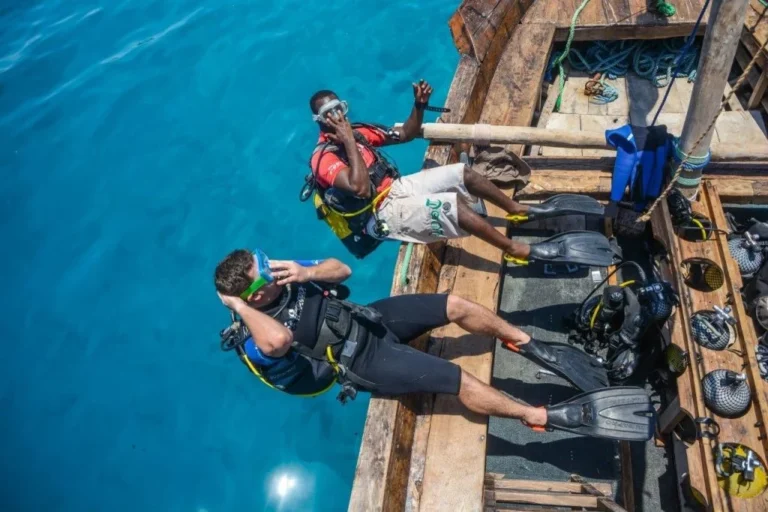
Before heading back, you’ll have free time on the island’s small beach. The water is usually calm and clear, and there’s a reef just offshore if you want to snorkel. The island café sells cold drinks. Then the boat takes you back to Stone Town, where you can transfer to your hotel or stay in town for the afternoon.
Can You Snorkel at Prison Island?
Yes, but keep your expectations modest. The reef off Changuu has small coral heads, reef fish and occasionally starfish, and on a calm day with good visibility it’s a pleasant swim. It isn’t in the same league as Mnemba Atoll or the reefs of Menai Bay, and visibility close to Stone Town can drop after rain or with strong tides.
If snorkeling is the main reason for your trip, Prison Island isn’t the right choice on its own. Treat the swim here as a bonus after the tortoises, and save your serious reef day for the marine tours. Our Zanzibar snorkeling spots comparison shows where each reef ranks.
How Much Does a Prison Island Tour Cost?
A guided Prison Island tour with Rama Zanzibar costs $80 for one person, $70 per person for 2–3 people, $65 per person for 4–6 people and $60 per person for 7–14 people, with further discounts for groups of 15 or more. The price includes a professional local guide, the boat, the island entrance fee and all government fees. Hotel transfers are available at extra cost.
What You May Still Pay For on the Island
- Drinks and snacks at the island café
- Souvenirs from the small boutique
- Tips for your guide and boat crew, which are appreciated but never required
Carry some small US dollar notes or Tanzanian shillings. There’s no ATM on Changuu, and cards aren’t reliably accepted.
Why Not Just Hire a Boat on the Beach?
You’ll be offered boats on the Stone Town beach, and some travellers take one. The price looks lower until you add the entrance fee, which varies and is paid separately in cash. You also get no guide for the ruins and no say in the boat’s condition or safety equipment. A booked tour removes the haggling, includes the fees and gives you someone who can actually explain what you’re looking at.
Is Prison Island Worth Visiting?
For most visitors, yes, especially families, first-time visitors and anyone staying in or near Stone Town. It’s short, easy and genuinely different from anything else in Zanzibar. It’s less worthwhile if you’re short on time, staying far up the north or east coast, and mainly interested in snorkeling.
Who Will Love It
- Families with children: the tortoises are a guaranteed highlight, and the boat ride is short and calm.
- History lovers: the island adds a chapter to the Stone Town story that most visitors never hear.
- First-time visitors: it’s a gentle introduction to Zanzibar’s sea and boats.
- Non-swimmers: everything worthwhile happens on dry land.
Who Might Skip It
- Serious snorkelers on a short trip, who should put their time into Mnemba or Menai Bay.
- Travellers based in Nungwi, Kendwa or Paje with only one or two free days, unless they combine the island with Stone Town to justify the drive.
- Anyone uncomfortable around large animals, although the tortoises are slow and gentle.
The Honest Downsides
The island is small, and by late morning in high season several groups can arrive at once. The ruins are atmospheric but modest; they’re not a polished museum. And because the island is so close to town, the water isn’t the clearest in Zanzibar. None of this ruins the visit, but knowing it in advance means you won’t feel disappointed.
When Is the Best Time to Visit Prison Island?
Prison Island runs all year, and its short, sheltered crossing makes it one of the most weather-resilient tours in Zanzibar. The calmest, clearest conditions come in the dry seasons, June to October and December to February. During the long rains in April and May the tour still runs, but expect showers and choppier water some days.
Best Time of Day
Go early. A morning departure means cooler air, more active tortoises and fewer groups in the sanctuary. By the middle of the day the island fills up and the heat in the ruins builds. If you’re combining tours, Prison Island in the morning followed by Stone Town or a sandbank works better than the other way round.
Booking Ahead
In peak season, from June to October and over Christmas and New Year, book a day or two ahead so you can get a morning slot. Outside peak season, we can usually arrange it at short notice.
How Can You Combine Prison Island With Other Tours?
Because the visit is short and starts in Stone Town, Prison Island combines naturally with other experiences on the west coast. Combining also makes the drive worthwhile if you’re staying on the north or east coast.
Prison Island and Stone Town
This is the classic pairing: the island in the morning, then a guided walk through the old town. Our Stone Town & Prison Island combo tour brings the island’s history and the town’s history together in one day. If you’d rather plan the town walk yourself, our guide to the things to do in Stone Town gives you the route.
Spice Farm, Prison Island and Stone Town
For a full day of culture, the Spice Farm, Prison Island & Stone Town combo tour adds a morning among clove and cinnamon trees. It’s a good choice for guests who want to see the island’s three main west-coast sights in one trip.
Prison Island and Nakupenda Sandbank
If you’d like a beach finish, the Stone Town, Prison Island & Nakupenda Sandbank combo tour adds a stretch of white sand that appears and disappears with the tide. Our Nakupenda Sandbank guide explains how the tides shape that part of the day.
What Should You Bring to Prison Island?
Bring sun protection, water and shoes you can walk in over rough ground. The sanctuary floor is rocky and dusty, and flip-flops make it uncomfortable.
- Sturdy sandals or trainers for the sanctuary and ruins
- Swimwear and a towel if you plan to swim
- Reef-safe sunscreen, a hat and sunglasses, because shade is limited
- Water, though drinks are also sold at the café
- Small cash for drinks, souvenirs and tips
- A dry bag or zip-lock pouch for your phone on the boat
- A light cover-up for the walk back through Stone Town afterwards
Our full boat and snorkeling packing list covers the details if this is one of several sea days on your trip. If you’re staying outside town, book a private hotel transfer for the beachfront rather than arranging a taxi on the morning.
If you’d like a calm morning with the tortoises and the history explained properly, send us a message on WhatsApp and we’ll find a departure time that fits your hotel and the rest of your plans.
Frequently Asked Questions About Prison Island Zanzibar
How long does a Prison Island tour take?
A Prison Island tour usually takes about 3–4 hours from the Stone Town beachfront and back. That includes the 20–30 minute boat crossing each way, around 30–45 minutes in the tortoise sanctuary, a guided walk through the ruins, and free time to swim or relax on the beach. If you’re staying outside Stone Town, add your transfer time. Many guests turn it into a full day by adding Stone Town, a spice farm or Nakupenda Sandbank.
How old are the tortoises on Prison Island?
Many of the Aldabra giant tortoises on Prison Island are over 100 years old, and the oldest are estimated to be close to 200. Their estimated ages are painted on their shells, so you can see them as you walk through the sanctuary. The colony descends from four tortoises sent from the Seychelles in 1919. Ages for the very oldest animals are estimates, because few reliable records survive from that period.
Why is it called Prison Island if there was no prison?
The island got its name from the prison buildings the British completed there in the 1890s, which were meant to relieve the crowded jail in Stone Town. No prisoner was ever held there. Instead, the island became a quarantine station for people arriving by sea who were suspected of carrying yellow fever, and it was officially renamed Quarantine Island in 1923. The original prison name is still the one most visitors use today.
Can children visit Prison Island?
Yes. Prison Island is one of the most family-friendly tours in Zanzibar. The boat ride is short and usually calm, the island is flat and easy to walk, and children love feeding the tortoises. Swimming is optional. Parents should stay close to small children in the sanctuary and on the beach, and show them how to offer leaves by the stalk so their fingers are well clear of the tortoises’ beaks.
Is the entrance fee included in the tour price?
With Rama Zanzibar, yes. The island entrance fee and all government fees are included in the tour price, along with the boat and a professional local guide. If you hire a boat independently on the beach, you’ll usually pay the entrance fee separately in cash on arrival, and the amount isn’t always clear in advance. On our tours, the only extras are drinks, souvenirs, tips and an optional hotel transfer.
Can I visit Prison Island if I’m staying in Nungwi or Paje?
Yes, but plan it well. The boat leaves from Stone Town, so guests on the north and east coasts have a drive before the crossing. To make the trip worthwhile, most of them combine Prison Island with a Stone Town walk or a spice farm. We arrange pickup from any hotel on the island and plan the timing so you’re on the water in the calmer, cooler morning hours.
Can you swim at Prison Island?
Yes. The island has a small sandy beach with calm, shallow water, and there’s a reef just offshore for snorkeling. Visibility is generally good in the dry seasons but can drop after heavy rain, since the island is close to town. Treat the swim as a relaxing extra after the tortoises rather than a dedicated snorkeling trip. If great coral is your main goal, Mnemba Atoll or Menai Bay are better choices.
Is Prison Island open all year?
Yes. Prison Island is open year-round, and the tour runs in every season because the crossing from Stone Town is short and sheltered. June to October and December to February bring the calmest seas and clearest water. During the long rains in April and May, trips still go ahead on most days, though showers and choppier water are more likely. We’ll always tell you honestly if conditions on a particular day aren’t worth going out in.
Final Thoughts on Prison Island Zanzibar
Prison Island in Zanzibar is small, but it packs giant tortoises, a strange colonial history and an easy boat ride into one relaxed half day.
- Come for the tortoises: century-old residents you can feed and photograph up close.
- Stay for the story: a prison that never held a prisoner, and the quarantine years that followed.
- Go in the morning: fewer groups, cooler air and calmer water.
- Combine it well: pair it with Stone Town, a spice farm or Nakupenda to make a full day.
I’ve been taking travellers across to Changuu since 2016, and watching someone meet their first giant tortoise still makes me smile. If you’d like us to plan your Prison Island morning, on its own or as part of a bigger day, message us on WhatsApp at +255 773 315 736.