Quick Answer: Safari Blue is a full-day dhow-sailing excursion in Zanzibar’s Menai Bay Conservation Area, departing from Fumba village southwest of Stone Town. A typical day (roughly 7–8 hours) includes guided snorkeling over coral reefs, a stop on a white sandbank, a fresh seafood barbecue, tropical fruit tasting, and a swim in a mangrove lagoon. Snorkeling gear, lunch, drinks, and park fees are included.
If you’ve spent any time researching things to do in Zanzibar, you’ve already met Safari Blue — it turns up on nearly every “must-do” list, usually with a photo of a wooden dhow anchored over impossibly turquoise water. But the listings rarely tell you what the day actually feels like, what you genuinely get for your money, or whether it suits the way you like to travel. That’s what this guide is for.
I’m Rama, and I’ve been guiding visitors around Zanzibar since 2016. My team and I run the Safari Blue trip through the Menai Bay Conservation Area most weeks of the year, so the details below come from real days on the water — not a brochure. By the end, you’ll know exactly what to expect on Safari Blue in Zanzibar, what’s included in the price, the best months to sail, who the tour is perfect for, and who might prefer something gentler. Let’s get into it.
What Is the Safari Blue Tour in Zanzibar?
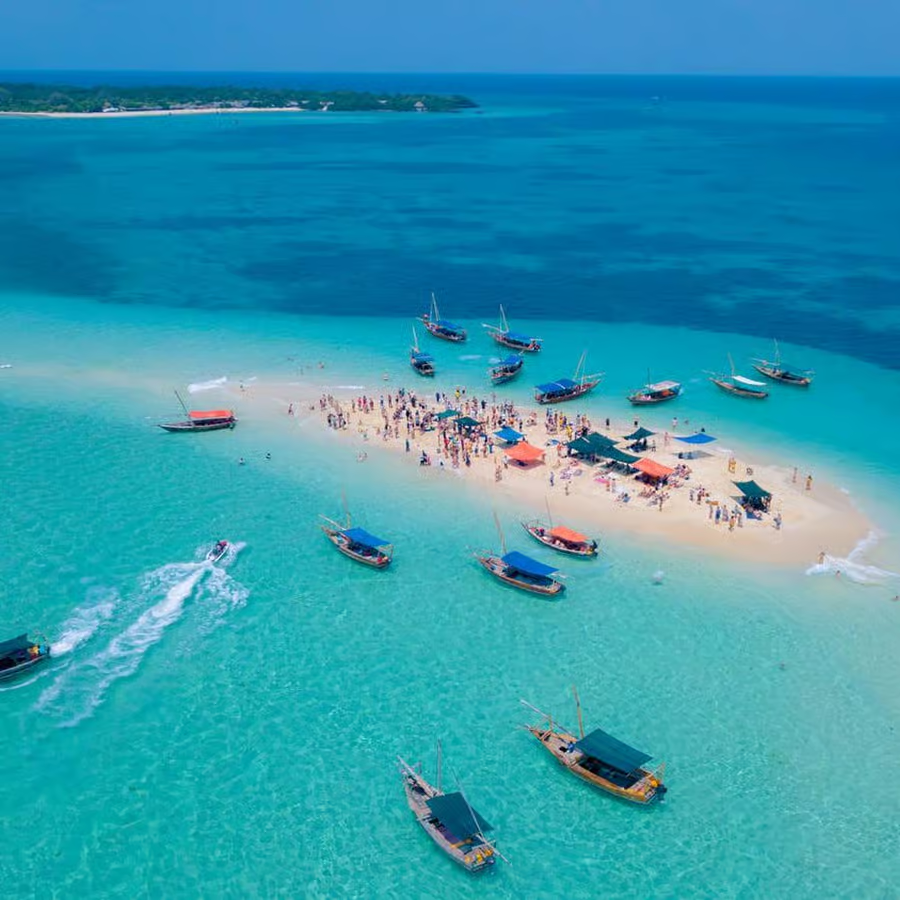
Safari Blue is Zanzibar’s most popular full-day boat excursion, built around a traditional hand-built Swahili dhow and the protected waters of Menai Bay. In a single day you sail, snorkel, swim, sunbathe on a sandbank, and eat a proper seafood lunch — which is why it consistently ranks among the best tours and excursions in Zanzibar for first-time visitors.
The appeal is variety. Rather than doing one thing, you rotate through several of the island’s signature ocean experiences in one relaxed, sun-soaked stretch of coastline.
Where Does Safari Blue Take Place?
The tour runs inside the Menai Bay Conservation Area on Zanzibar’s southwest coast, launching from the small fishing village of Fumba — about a 30-minute drive from Stone Town. Menai Bay was designated a protected area in 1997 and, at roughly 470 square kilometres, it is Zanzibar’s largest marine conservation area. The reserve was established with support from the World Wide Fund for Nature and local villages, which is a big part of why the reefs, mangroves, and sandbanks here remain in such good condition.
For you, that protection translates into clearer water, healthier coral, and a genuine sense of sailing through somewhere cared for rather than crowded.
How Long Does Safari Blue Last?
Plan for a full day. From hotel pickup to drop-off, most guests are out for around 7–8 hours, with the on-water portion filling the middle of the day. Exact timing shifts with your hotel’s location, the tides, and sea conditions — the ocean sets the schedule here, not a stopwatch.
What Does a Day on Safari Blue Actually Look Like?
The day unfolds as a loop through Menai Bay, with each stop offering something different. Here’s the rhythm of a typical trip from pickup to return.
What Does a Day on Safari Blue Actually Look Like?
The day unfolds as a loop through Menai Bay, with each stop offering something different. Here’s the rhythm of a typical trip from pickup to return.
Pickup & drive to Fumba
Hotel collection, then a short coastal drive to the launch village.
Set sail on the dhow
Board a hand-built Swahili sailing boat and head into Menai Bay.
Snorkel the coral reef
Guided snorkeling over reefs full of tropical fish. Gear provided.
Relax on a sandbank
Barefoot time on white sand with tropical fruit tasting.
Seafood barbecue lunch
Grilled seafood, local dishes and fruit on a quiet island. Veg options available.
Mangrove lagoon swim
A calm swim in a hidden natural pool ringed by mangroves.
Sail home & hotel drop-off
A relaxed cruise back across the bay in soft afternoon light.
One thing worth knowing: because the itinerary depends on tides and sea conditions, the order of the stops can flex from day to day. The snorkeling might come before the sandbank on one trip and after it on another. Nothing gets skipped — the sequence simply follows what the ocean is doing that morning, which is exactly how a good local crew keeps every stop at its best.
What’s Included in the Safari Blue Tour?
This is where Safari Blue earns much of its reputation: the price is genuinely all-in for the core experience, with no surprise costs surfacing halfway through the day. Here’s what a booking with us covers.
Traditional dhow
Hand-built Swahili sailing boat with crew.
Snorkeling & gear
Guided snorkeling with mask, snorkel and fins provided.
Seafood BBQ lunch
Grilled seafood, chicken or a vegetarian option.
Tropical fruit tasting
Fresh seasonal island fruit on the sandbank.
Soft drinks & water
Refreshments served throughout the day.
Local guide & crew
Experienced Swahili team who know the bay.
All government fees
Conservation and permit charges covered.
Hotel transfers
Pickup and drop-off arranged; small supplement for far areas.
A couple of practical notes on the transfers. Pickup and drop-off is included from most hotels in and around Stone Town and the nearer coastal areas; if you’re staying far out — the far north around Nungwi and Kendwa, or the east coast at Paje and Jambiani — a small transfer supplement may apply because of the longer road journey. It’s always confirmed up front when you book, never sprung on you afterward.
What isn’t included is straightforward: alcoholic drinks aren’t part of the standard package (let us know in advance if you’d like some arranged), and personal items like extra souvenirs are your own. Everything central to the day — the sailing, the snorkeling, the food, the fruit, the soft drinks — is covered.
How Much Does the Safari Blue Tour Cost in Zanzibar?
Safari Blue is priced per person, and the rate drops the more people share the boat — so couples and small groups get a better per-head price than a solo traveller on a private dhow. Here are our current rates:
| Group size | Private boat (per person) | Sharing boat (per person) |
|---|---|---|
| 1 person | $140 | $90 |
| 2–3 people | $85 | $70 |
| 4–6 people | $80 | — |
| 7–14 people | $70 | — |
| 15+ people | Further discount | — |
In practice, most couples and families land in the $70–$85 per-person range, which for a fully catered 7–8 hour day on the water — snorkeling gear, a seafood lunch, drinks, and park fees all in — is strong value by Zanzibar standards. A “sharing boat” means you join other guests on the same dhow; a “private boat” is yours alone, which is worth the difference for honeymooners, families, or anyone wanting a more personal pace.
If you’d like a firm quote for your exact group size and dates, the quickest route is to book the Safari Blue tour directly and we’ll confirm everything by WhatsApp.
Is the Safari Blue Tour Worth It?
For most first-time visitors to Zanzibar, yes — Safari Blue is worth it, and it’s the single tour I recommend most often. The reason is efficiency of joy: in one day you get the dhow sailing, the snorkeling, the sandbank, the seafood, and the lagoon, without having to book, pay for, and travel to four separate excursions. It’s also genuinely beautiful, and the Menai Bay setting is calmer and less built-up than the busier northern beaches.
That said, honesty matters more than a hard sell. Safari Blue is a long, active, sun-exposed day on and around a boat. If you’re prone to seasickness, dislike being in open water, or simply want to do very little, you may prefer something gentler. In that case a shorter Nakupenda sandbank tour gives you the sandbank-and-seafood magic with far less time at sea, and a focused Mnemba Island snorkeling trip is the better pick if world-class reef time is your only priority. Safari Blue is the all-rounder; those are the specialists.
When Is the Best Time to Do Safari Blue?
Safari Blue runs year-round, but the sea doesn’t behave the same way every month. The dry seasons — roughly June to October and December to February — bring the calmest water and the best underwater visibility, which makes the snorkeling noticeably better. Here’s how the months generally compare for conditions on the bay.
Jan
Excellent
Feb
Excellent
Mar
Good
Apr
Moderate
May
Moderate
Jun
Excellent
Jul
Excellent
Aug
Excellent
Sep
Excellent
Oct
Excellent
Nov
Good
Dec
Excellent
The tour still runs through the April–May long rains, and you can have a lovely day then — the sea is warm year-round and showers often pass quickly — but water clarity is at its most reliable in the dry months. If snorkeling is the part you care about most, aim for June to October or the January–February window. Whenever you come, booking a few days ahead during peak season is wise, since good weather fills the boats quickly.
Who Is Safari Blue Best For?
Safari Blue suits a wide range of travellers, which is exactly why it’s so popular. It’s an especially good fit if you are:
- A first-time visitor who wants a taste of everything Zanzibar’s ocean offers in one day.
- A couple or honeymooner looking for a romantic, scenic day — a private dhow makes it feel exclusive.
- A family with children old enough to enjoy the water; the sandbank and lagoon are gentle, supervised spots to swim.
- A group of friends wanting a social, celebratory day out where the per-person price drops nicely.
It’s less ideal if you get seasick easily, need shade and rest more than activity, or dislike open water. If that’s you, a shorter beach-and-sandbank outing will leave you happier than a full day afloat.
What Should You Bring on Safari Blue?
The crew handles the essentials, but a little preparation makes the day far more comfortable. Pack:
- Swimwear (worn or easy to change into) and a towel
- Reef-safe sunscreen and a hat — sun exposure on the water is intense
- Sunglasses and a light cover-up for the sail
- A waterproof phone or camera case for the snorkeling and sandbank shots
- Water shoes if you have sensitive feet, for reef and rocky entries
- A change of dry clothes and any personal medication, including motion-sickness tablets if you’re prone to it
Leave valuables at your hotel — a boat day and expensive electronics don’t mix well.
A Local Guide’s Tips for the Best Safari Blue Day
After years of running this trip, a few small things reliably separate a good day from a great one. First, apply sunscreen before you board and reapply after snorkeling — the sea breeze hides how much sun you’re catching until it’s too late. Second, tell us about dietary needs when you book, not on the boat; the seafood barbecue is prepared fresh, and vegetarian or allergy-friendly plates are easy to arrange with notice.
Third, manage your expectations on dolphins. Menai Bay is home to resident bottlenose and humpback dolphins, and sightings do happen, but these are wild animals — no honest operator can promise them. Treat a sighting as a bonus, not the point. Finally, don’t over-schedule the day after Safari Blue. Most guests come back pleasantly tired and sun-kissed; a quiet evening beats another excursion. If you’re building a wider itinerary, pairing this with a cultural day like the Stone Town walking tour or a green morning in Jozani Forest gives you a nice rhythm of sea, culture, and nature across your trip.
Frequently Asked Questions About Safari Blue Zanzibar
Where does the Safari Blue tour depart from?
Safari Blue departs from Fumba, a fishing village on Zanzibar’s southwest coast about 30 minutes’ drive from Stone Town. Your day starts with a hotel pickup, followed by the short transfer to Fumba, where you board the dhow and sail into the Menai Bay Conservation Area. The launch point stays the same regardless of where you’re staying on the island, so travellers on the north and east coasts simply have a longer road transfer to reach it.
Can non-swimmers do Safari Blue?
Yes. Plenty of guests join Safari Blue without ever putting their face in the water. You can stay aboard the dhow, relax on the sandbank, enjoy the lunch and the scenery, and skip only the snorkeling portion. Life jackets are available throughout the day for added comfort and safety, so even hesitant swimmers can wade in the shallows around the sandbank if they’d like to.
Is Safari Blue safe for children?
Safari Blue is family-friendly and welcomes children. The sandbank and mangrove lagoon are calm, shallow places for young ones to paddle, and life jackets are provided. As on any boat trip, parents or guardians are responsible for supervising children closely during the sailing and water activities. If you’re travelling with very young kids, mention their ages when booking so we can advise on the best setup for your family.
What marine life will I see snorkeling?
The reefs of Menai Bay host a colourful cast of tropical species — butterflyfish, parrotfish, angelfish, clownfish, and plenty of smaller reef fish, along with starfish, sea urchins, and healthy coral formations. Because the bay is a protected conservation area, the reef life here is notably vibrant. Larger visitors like bottlenose dolphins pass through occasionally, but sightings are never guaranteed since they’re wild animals moving freely through the bay.
How much does Safari Blue cost?
Safari Blue is priced per person and starts from around $70 per person, with the rate depending on your group size and whether you book a private or sharing boat. Solo travellers pay more per head, while couples, families, and larger groups benefit from lower per-person rates. The price includes the dhow, snorkeling gear, a seafood lunch, tropical fruit, soft drinks, and government fees, so there are no major hidden extras once you’re on the water.
Is the seafood lunch suitable for vegetarians?
Yes. While the barbecue centres on freshly grilled seafood, vegetarian meals and most dietary requirements can be accommodated with advance notice. The spread usually includes rice, local dishes, and seasonal tropical fruit alongside the grilled options, so there’s plenty to enjoy either way. Always flag allergies or specific needs when you book so the catering team can prepare accordingly rather than improvising on the day.
What happens if the weather is bad?
Your safety comes first. If sea or weather conditions are judged unsafe, the tour may be rescheduled or alternative arrangements discussed with you directly. Because the whole day depends on tides and ocean conditions, the crew may also reorder the stops to give you the best possible experience — for example, snorkeling earlier if the water is clearest in the morning. Brief tropical showers, common in the wetter months, rarely stop a trip on their own.
How far in advance should I book Safari Blue?
During the peak dry seasons (June–October and December–February), booking a few days ahead is recommended, as boats fill up quickly when the weather is at its best. Outside those months you can often book with shorter notice, but reserving early always gives you first choice of date and the best chance of a private boat if you want one. The simplest way to lock in your spot is a quick WhatsApp message to our team.
Final Thoughts
Safari Blue in Zanzibar earns its place at the top of the island’s tour lists. For a single, well-priced day you get traditional dhow sailing, guided snorkeling over protected reefs, barefoot time on a white sandbank, a fresh seafood barbecue, and a swim in a hidden mangrove lagoon — a genuine highlight of most Zanzibar trips.
Here’s the short version to take with you:
- What it is: a full-day dhow excursion in the Menai Bay Conservation Area, launching from Fumba.
- What’s included: sailing, snorkeling gear, seafood lunch, tropical fruit, soft drinks, guide, and park fees.
- What it costs: from around $70 per person, dropping as your group grows.
- When to go: June–October and December–February for the calmest seas and clearest water.
If that sounds like your kind of day, our local team is ready to help you plan it around the rest of your trip. You can book the Safari Blue tour or get in touch with our team for a tailored quote — and if you’re still weighing options, browse the full range of Zanzibar tours to see how Safari Blue fits alongside everything else the island offers.