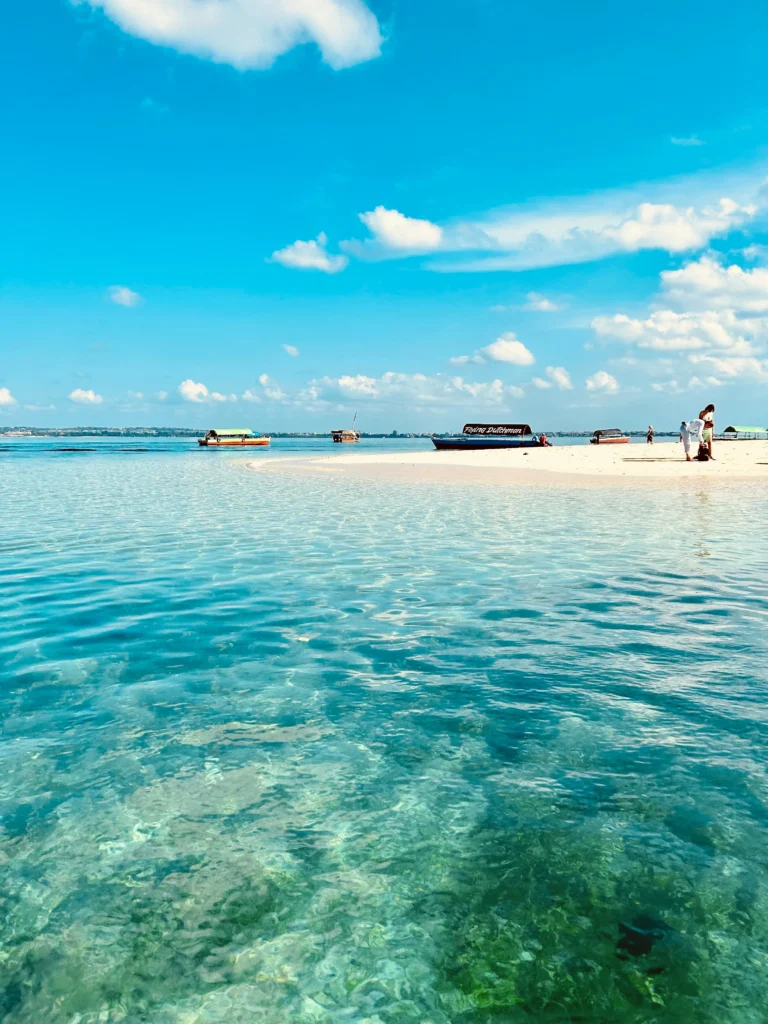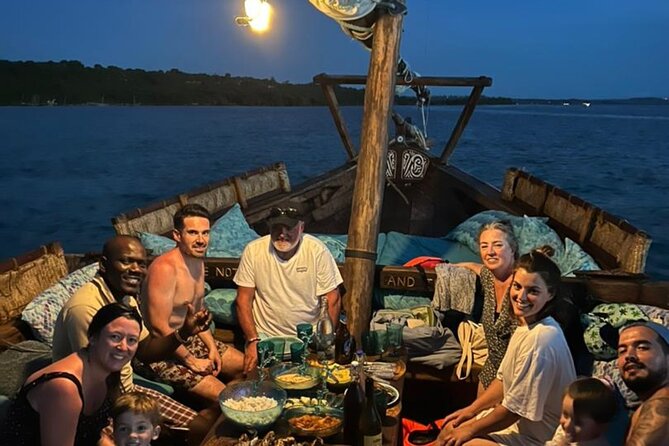
Quick Answer: A sunset dhow cruise in Zanzibar is a 2–3 hour evening sail on a traditional hand-built wooden dhow, timed so you’re on the water as the sun drops into the Indian Ocean. Most cruises depart around 4:00–4:30 pm from the north coast (Nungwi and Kendwa) or from Stone Town, include snacks, drinks and sometimes live music, and return shortly after sunset around 6:30 pm.
Everyone who visits Zanzibar comes home with the same photo: a wooden sail glowing orange against a pink sky. That photo is a sunset dhow cruise — and it’s the single most-booked evening activity on the island for a reason. But most travellers book it knowing almost nothing about how the evening actually runs: what time to be ready, which beach gives the better sail, what’s poured into your glass, and whether the “private” upgrade is worth the money.
I’ve been guiding on this island since 2016, and I’ve put guests on these boats hundreds of times. This guide is the version I wish every visitor read first. You’ll learn exactly what a sunset dhow cruise in Zanzibar involves hour by hour, where the cruises leave from and how the two main departure points differ, what’s included and what quietly isn’t, when in the year the light and sea are at their best, and whether the experience earns its place in your itinerary. No brochure gloss — just what actually happens once you step aboard.
What Is a Sunset Dhow Cruise in Zanzibar?
A sunset dhow cruise is an evening sail on a dhow — the traditional wooden sailing boat of the East African coast — timed so you’re out on the water for golden hour and sunset. It is a relaxed, scenic experience rather than an adventure activity: you sail, you watch the sky change, you eat and drink, and you come back.
The dhow itself is what makes it special. The Swahili word “dhow” is a generic term for the pre-European ships of the Indian Ocean, and these boats have plied these exact waters for well over a thousand years. According to Africa Geographic, traditional dhows were sewn together using coconut coir fibre rather than nails, and are rigged with a lateen sail — the classic triangular sail attached to a crossbeam, raised and lowered according to the wind. When our crew cuts the engine and lifts that sail, you’re travelling the way traders did for centuries.
Why a dhow and not a modern boat?
Because the whole point is the quiet. A speedboat gets you to a view; a dhow is the view. Under sail there’s no engine noise — just canvas, water, and wind. It’s the difference between watching a sunset and sitting inside one.
What Actually Happens on a Sunset Dhow Cruise?
Here’s the honest hour-by-hour, because the brochures skip it. You’re collected from your hotel (or you meet at the beach), you board as the afternoon heat softens, the crew motors out to calm water, then cuts the engine and raises the sail. Snacks and drinks come out, sometimes music, and you drift while the sun does the work. Once it’s down, you sail back in the blue dusk.
On the water
How the evening unfolds
-
~4:00 pm
Pickup or beach meet-up
Collected from your hotel, or you meet the crew at the launch beach.
-
~4:30 pm
Board and set sail
Motor out to calm water, cut the engine, raise the lateen sail.
-
~5:15 pm
Snacks, drinks & music
Fruit and light bites from the ice box, with live taarab music on the better boats.
-
~6:15 pm
Golden hour & sunset
The main event — the sky turns gold, amber, then pink. Cameras out.
-
~6:30 pm
Sail back in the dusk
Return to shore just after the sun is gone, then transfer back to your hotel.
Caption: The typical rhythm of a north-coast sunset dhow cruise. Stone Town departures run about an hour later — see below.
The timings above are the north-coast norm. The one thing worth stressing: the sail is deliberately slow. If you’re expecting speed or activity, you’ll be restless. If you’re expecting to exhale, it’s perfect.
Where Do Sunset Dhow Cruises Depart From?
There are two main launch areas, and they give genuinely different evenings. The north coast — Nungwi and Kendwa — offers a wide-open ocean horizon where the sun sets directly into the sea. Stone Town offers the historic waterfront skyline as your backdrop, with the sun setting behind the old town’s silhouette. Neither is “better”; they suit different travellers.
North coast
Nungwi & Kendwa
Backdrop
Open ocean horizon
Start
~4:00–4:30 pm
Sun sets
Straight into the sea
Best for
Beach-base guests, couples
Stone Town
Old harbour
Backdrop
Historic skyline
Start
~5:00 pm
Sun sets
Behind the old town
Best for
City-base guests, first-timers
Caption: The two departure areas at a glance. Where you’re staying usually decides it for you — sail from the coast nearest your hotel to keep transfer time short.
The practical rule: sail from whichever coast you’re already based on. If you’re staying in Nungwi or Kendwa, take the north-coast cruise — the sun sets over open water and your transfer is a few minutes. If you’re in or near Stone Town, the harbour cruise puts that famous skyline in your photos. Booking a north-coast cruise while staying in Stone Town (or vice versa) means an hour-plus transfer each way for a two-hour sail — rarely worth it. If you’re unsure which base suits your plans, our overview of the [best tours and excursions in Zanzibar] maps activities to each area.
What’s Included — and What’s Not?
Most sunset dhow cruises include the boat and crew, seasonal fruit and light snacks, soft drinks and often beer or wine, and — on the better boats — live taarab music, Zanzibar’s signature fusion of African, Arab and Indian sound. Hotel transfers are usually included if you’re staying on the same coast the cruise departs from, and charged as an extra if you’re staying elsewhere. What’s typically not included: gratuities for the crew, and any premium spirits beyond the standard drinks.
The two things worth confirming before you book are the transfer and the drinks. Ask whether transfer from your specific hotel is included or extra, and ask exactly what’s poured — “drinks included” can mean anything from bottled water to a proper sundowner. A good local operator will tell you straight; that’s part of what you’re paying for.
Sharing vs private — the one upgrade decision. A sharing cruise puts you on a dhow with other travellers and is the best-value option. A private dhow costs more but gets you the boat, the crew and the sunset to yourselves — the obvious choice for honeymooners, a proposal, or a family who wants space. If the evening is the occasion rather than just an activity, private is worth it.
What Time Does the Cruise Start, and When’s the Best Season?
North-coast cruises generally start around 4:00–4:30 pm and return near 6:30 pm; Stone Town cruises start about an hour later. The exact time shifts with sunset through the year, so the operator sets it a few days out — always reconfirm your pickup time the day before.
Season matters more than most visitors realise. Zanzibar’s clearest, calmest evenings fall in the long dry season from June to October and the shorter dry spell in January and February — the best window for reliable sunsets and flat water. The long rains of April and May bring cloud that can hide the sun and choppier seas that get cruises cancelled. If a clear sunset is the whole reason you’re booking, build in a spare evening so you can move the cruise if the sky doesn’t cooperate. Our guide to the [best time to visit Zanzibar] breaks the seasons down month by month.
Is a Sunset Dhow Cruise Worth It?
For most travellers, yes — with one honest caveat. If you want a calm, beautiful, low-effort evening that ends your beach day on a high, a sunset dhow cruise is one of the best-value experiences on the island and delivers exactly what the photos promise. It suits couples, families with older children, groups of friends, and anyone who loves photography.
The caveat: it is a relaxing experience, not a thrilling one. There’s no snorkelling, no swimming, no activity — you sit, sail and watch. Travellers who want action in the water are usually happier pairing the day differently: a snorkelling trip earlier, then the dhow to wind down. If you want the sea life and the sunset in one day, our [Safari Blue tour] and the [Mnemba snorkelling] trips fill the daytime, and you can add the dhow in the evening. For a couple after a quiet, romantic hour on the water, it’s hard to beat — and far better value than most travellers expect.
What Should You Bring on a Sunset Dhow Cruise?
Pack light, but pack these:
- A light layer. It cools quickly once the sun drops and the wind picks up on the return sail.
- A charged camera or phone. Golden hour is short and it’s the whole point — don’t be the person whose battery dies at 6:15.
- Sun protection for the first hour. The late-afternoon sun is still strong before it sets.
- A little cash. For crew tips, which aren’t included.
- Bare feet or easy shoes. You’ll be on a wooden deck; leave the heels behind.
You do not need swimwear, snorkel gear or a dry bag — this isn’t a water-entry trip. Keep it simple.
Local Tips Most Visitors Miss
A few things I tell every guest before they board. First, book the boat nearest your hotel — the single most common mistake is booking a cruise on the opposite coast and burning the evening in transfers. Second, reconfirm the pickup time the day before, because sunset time moves and so does your start. Third, if the forecast is heavy cloud, ask to move to another evening rather than sailing into a grey sky — a good operator will accommodate it. Fourth, choose the sharing cruise for value or the private dhow for an occasion, and be honest with yourself about which this evening is. And finally, the light in the fifteen minutes after the sun disappears is often more beautiful than the sunset itself — don’t pack the camera away too early.
If you’d rather have all of this handled — the right coast, the right time, transfers confirmed, a genuine dhow rather than a repainted tourist boat — that’s exactly what a local operator is for. You can see the full experience and current pricing on our [sunset dhow cruise page], or message Rama directly on WhatsApp at +255 773 315 736 to match the cruise to where you’re staying.
Frequently Asked Questions About Sunset Dhow Cruises in Zanzibar
How long is a sunset dhow cruise in Zanzibar?
Most sunset dhow cruises last between two and three hours in total, including the sail out, the sunset, and the return. The actual time under sail is usually around two hours. North-coast cruises from Nungwi and Kendwa typically run from about 4:30 pm to 6:30 pm, while Stone Town cruises start roughly an hour later. The exact duration shifts slightly through the year as sunset time moves, so confirm your pickup time with the operator the day before you sail.
What is included in a sunset dhow cruise?
A typical sunset dhow cruise includes the traditional dhow and its crew, seasonal fruit and light snacks, and soft drinks — often with beer or wine as well. Many cruises also include live taarab music. Hotel transfers are usually included if your hotel is on the same coast the cruise departs from. Gratuities for the crew and premium spirits are generally not included. Always confirm exactly what drinks are provided and whether transfer from your specific hotel is included before booking.
Where is the best place to do a sunset dhow cruise in Zanzibar?
The two best areas are the north coast (Nungwi and Kendwa) and Stone Town. The north coast gives you an open-ocean horizon where the sun sets directly into the sea, ideal if you’re staying on the beach. Stone Town puts the historic waterfront skyline behind the setting sun, which suits travellers based in or near the city. The best choice is almost always the coast nearest your hotel, to keep transfer times short.
Is a sunset dhow cruise safe for children and non-swimmers?
Yes. A sunset dhow cruise is a calm, relaxed sail rather than a water-entry activity, so it’s well suited to families and non-swimmers. There’s no snorkelling or swimming involved — you stay aboard the whole time. Life jackets are available on request, and the crew keeps the sail gentle. For very young children, a private dhow gives you more space and control over timing than a shared boat.
What is the best time of year for a sunset dhow cruise?
The clearest skies and calmest seas fall in the long dry season from June to October and the shorter dry period in January and February. These months give the most reliable sunsets and the flattest water. The long rains of April and May bring cloud and choppier conditions that can obscure the sun or lead to cancellations. If a clear sunset is essential to you, keep a spare evening in your plans so the cruise can be moved if the weather doesn’t cooperate.
Should I book a private or sharing dhow cruise?
Choose a sharing cruise for the best value — you’ll be on the dhow with other travellers and still get the full sunset experience. Choose a private dhow when the evening is an occasion: a honeymoon, a proposal, an anniversary, or a family who wants the boat to themselves. A private cruise costs more but gives you space, flexibility on timing, and the sunset without other guests. For a standard evening out, sharing is more than enough.
Do sunset dhow cruises get cancelled?
Occasionally, yes — almost always because of weather. Heavy cloud, strong wind, or rough seas during the long rains (April–May) can lead to a cruise being postponed or cancelled for safety and for the view. A reliable operator will offer to move you to another evening rather than sail into poor conditions. This is one reason to book your cruise for early in your trip rather than the last night, so there’s room to reschedule if needed.
Can you see dolphins or wildlife on a sunset dhow cruise?
Sometimes. Dolphins occasionally pass near the boats and seabirds are common, but wildlife is a bonus rather than the purpose — a sunset cruise is about the sail and the sky, not animal encounters. If seeing dolphins is a priority, a dedicated marine trip is the better option. Our guide on whether you can [see dolphins in Zanzibar] explains where and when sightings are most reliable, which is a different trip from the sunset dhow.
Final Thoughts
A sunset dhow cruise in Zanzibar earns its reputation: a slow sail on a thousand-year-old style of boat, timed for the moment the Indian Ocean turns gold. Get the details right and it’s one of the easiest, most rewarding evenings on the island.
Three things to remember:
- Sail from the coast you’re staying on — north coast for open-ocean sunsets, Stone Town for the skyline — and keep your transfers short.
- Book for early in your trip and reconfirm the pickup time, so you can move it if the weather turns.
- Match the boat to the evening — sharing for value, private for an occasion.
You now know what a sunset dhow cruise in Zanzibar actually involves, where to sail from, and how to make sure the sky delivers. When you’re ready to book a genuine dhow with a crew who know these waters, message Rama on WhatsApp at +255 773 315 736 — we’ll set you on the right boat, from the right beach, at exactly the right time.